The Quiet Band with Loud Surprises: Why Six Metres Rewards Patient VK2 Operators
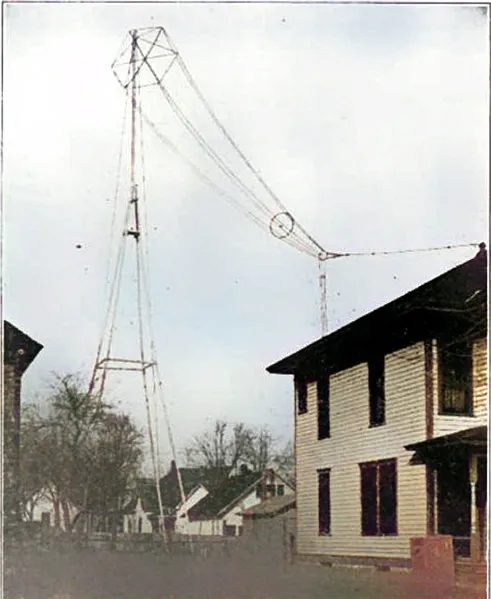
Photo: Original greyscale version: Leroy Moffat, Jr. Colorized version: F1jmm, Public domain, via Wikimedia Commons
Every band has a personality. Eighty metres is a pub argument, twenty is a trade show, two metres is a coffee catch-up. Six metres is the mate who barely speaks for a month and then rings you out of nowhere with the best news of your year.
Sitting between 50 and 54 MHz, six metres is the lowest of the VHF bands and the most unpredictable slice of spectrum available to Australian amateurs. It behaves like HF when the ionosphere cooperates and like VHF the rest of the time — short groundwave, line-of-sight, nothing much. That's the whole bargain: long stretches of quiet, punctuated by openings that can put you into New Zealand, Japan, or halfway across the Pacific on 100 watts and a three-element Yagi you built in the garage.
Why the band is worth the wait
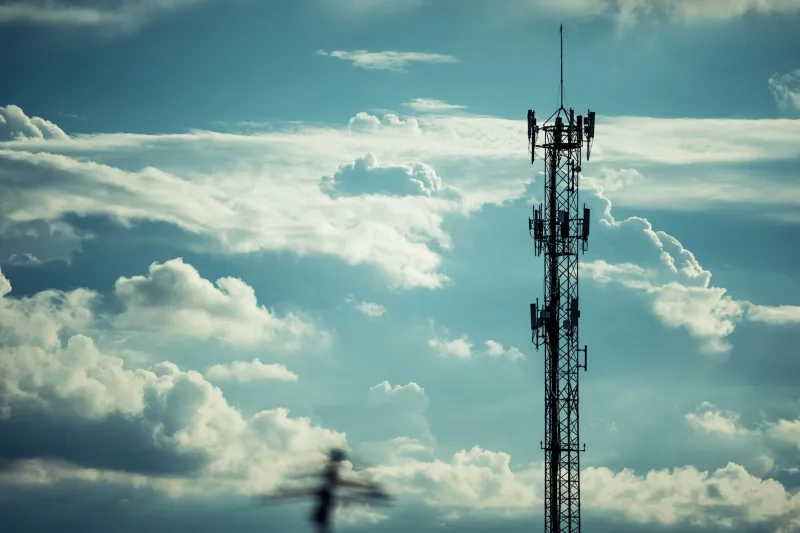
Six metres is the sweet spot between physics and practicality. A full half-wave dipole is about three metres long, so everything is a manageable size — a three or four element beam is something one person can put up on a suburban roof or a backyard mast without a crane or a council permit argument. The antennas are small, the feedline losses are tolerable, and 100 watts goes a long way when the band actually opens.
The propagation that makes it interesting is sporadic-E: patches of densely ionised air in the E layer, roughly 90 to 120 km up, that appear and vanish over minutes to hours. A single hop will get you 800 to 2000 km, which from a VK2 location covers New Zealand, the Coral Sea, Norfolk Island and a lot of ocean. Two hops, or a combination of Es and other modes, occasionally links us to Japan, the Americas and long-haul Pacific paths. When the solar cycle is strong, F2 propagation on 6 m produces openings that veteran operators still talk about decades later.
The calendar matters more than the gear
If you only remember one thing about six metres, make it this: the band does not care about your schedule, but it does keep roughly to a calendar.
In VK, the sporadic-E seasons cluster around late spring through high summer — December and January especially — with a second, often quieter window in the depths of winter around June and July. Openings frequently peak in the hours either side of local midday and again in the late afternoon. Which is, of course, exactly when you're at work.
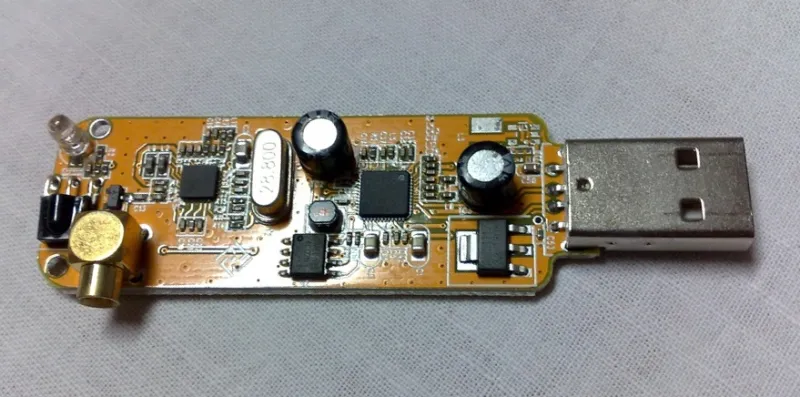
That's why the successful 6 m operators are monitors rather than hunters. Leave the rig parked on the DX calling frequency or on 50.313 MHz, run a logging program or an SDR in the background, and set up alerts. WSPRnet, PSK Reporter and the various DX spotting clusters will email or ping you the moment something is decoded. If you use FT8, an automated alert on a callsign prefix is worth ten hours of staring at a waterfall.
Reading the signs
The band announces itself in a few ways:
- The beacon sub-band. Australian beacons occupy the bottom of the band, around 50.0 to 50.1 MHz. A beacon that's normally inaudible suddenly coming up out of the noise is the classic early warning. Learn two or three local beacons and what they sound like on a quiet day.
- WSPR on 50.293 MHz. Low power, constant, and the single best propagation indicator there is. Watch for spots from ZL.
- FT8 on 50.313 MHz (and FT4 on 50.323). Because everyone leaves it running, the mode is effectively a national and international propagation sensor.
- Sudden noise floor changes. An opening often starts as a rise in the noise floor before any signal becomes intelligible.
If all of those are flat, the band is flat. Go and do something else. That's the deal.
A starter setup that punches above its price
You do not need a tower. A realistic first station looks like this:
- Antenna: a three-element Yagi or a Moxon rectangle, horizontally polarised, at 5 to 10 m. Horizontal polarisation is the convention for weak-signal and sporadic-E work; vertical is more useful for local FM and repeaters. Build it from aluminium tube and a bit of timber — a first 6 m beam is a weekend project, not an engineering degree.
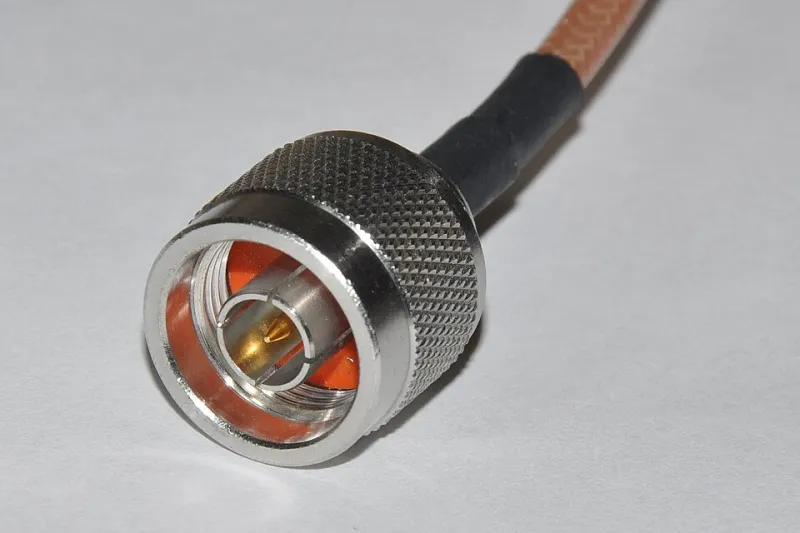
- Feedline: RG-213 or LMR-400 for a run up to 15–20 m. Six metres is forgiving on loss compared to 70 cm, but not free.
- Power: 50 to 100 watts is plenty. There is no arms race here; the band either opens or it doesn't.
- Direction: if you're not rotating, point north-east from most of VK2. That covers New Zealand, the Pacific and gives you a shot at Japan.
Check your licence conditions before you start — the current LCD sets out what each grade can use across 50–54 MHz, and there's variation in the upper FM segment. Getting that wrong is a conversation nobody enjoys.
What to do when it's dead
Six metres isn't wasted time when nothing's happening. It's the best training ground in the hobby for weak-signal operating, and the local activity is genuinely useful: groundwave contacts around the Sydney basin, the occasional 6 m repeater, aircraft scatter off the flight corridors into Mascot, and meteor scatter during the major showers. Every one of those teaches you something about hearing weak signals that transfers straight to 2 m and 70 cm.
Patience is the mode
Six metres will give you nothing for a month and then hand you a contact you'll mention at every club meeting for the next five years. If you're the sort of operator who likes a busy band, a constant stream of contacts and a bit of noise, go elsewhere. If you like the idea of a band that stays quiet, stays clean and occasionally detonates into life, put a beam up and leave the radio on.